
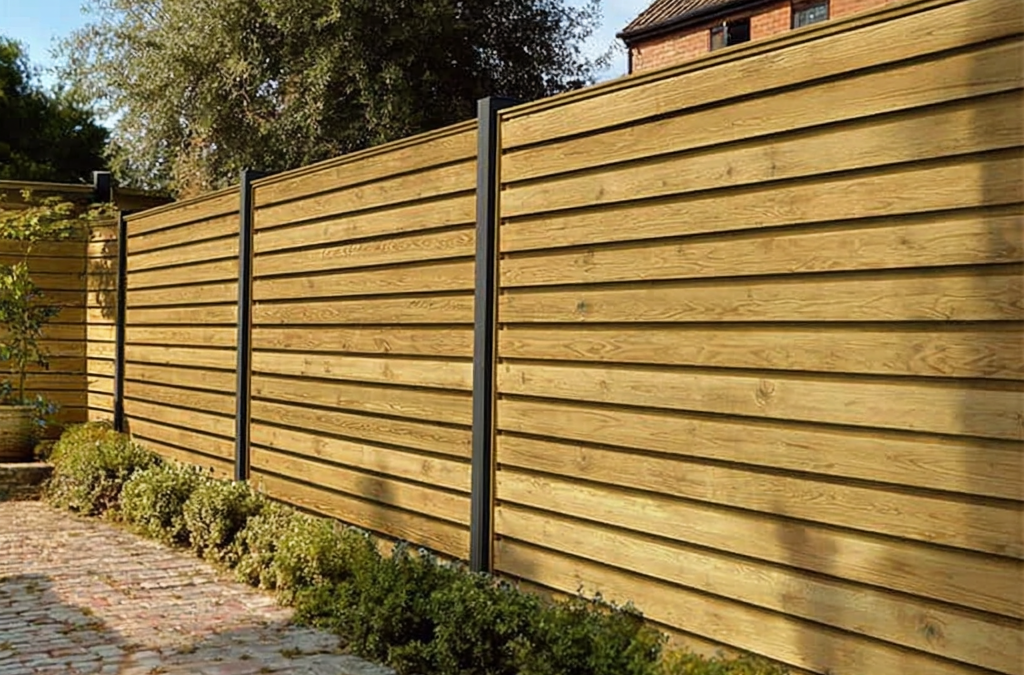
You want a new fence that looks good, lasts, and does not drain your budget. You also do not want to be repairing panels every time the wind picks up across Derby. You are not being picky. You are being sensible. Read on to find out about the fencing Derby residents love.
When you get your fencing choice right, you solve a few problems in one go. You protect your boundary. You get more privacy. Your garden feels smarter and more secure. The wrong choice, on the other hand, can leave you with sagging posts, warping boards, and money wasted on constant fixes.
In Derby you need to think about more than just what looks nice on a sunny day. You need a fence that copes with wet weather, gusty conditions, and heavier clay or softer ground in some gardens. You also need to stay on the right side of local rules about fence height and boundaries, especially where you share a line with neighbours.
This guide walks you through the main fencing styles you will see around Derby, what they cost in real terms over their life, and how they stand up to local conditions. By the end, you will have a clear idea of which type of fence fits your home, your budget, and the way you actually use your garden.

Exploring Fencing Styles Available In Derby
You have plenty of choice in Derby, the trick is knowing what suits your garden and budget.
Closeboard fencing gives you strong, solid privacy. Vertical boards fix to horizontal rails, so you get a sturdy line that copes well with wind and day to day knocks. Good if you want security and a long lasting boundary.
Traditional wooden panel fences are the ones most people picture. They are quick to put up and can be a cost friendly option. The trade off is that cheaper panels can flex, fade, and rot faster if you skip regular treatment.
Vinyl or other synthetic fences aim for low maintenance. You avoid painting and staining, and they do not rot. They can cost more at the start, and you need decent quality to avoid a flimsy feel.
Composite fencing mixes wood fibres with plastic. You get a modern look, good colour hold, and no rot. The upfront spend is higher, so it suits you if you plan to stay put and want long term value.
Trellis or lattice fencing works well for topping existing fences or screening sections. You gain height and a place for climbing plants without blocking all the light.
Shadowbox fencing uses boards on alternate sides of the rails. You get airflow and a smarter look, with partial privacy that works well between neighbours.
Board on board fencing overlaps the boards. That closes gaps and gives very strong privacy. It feels solid, which helps in exposed Derby gardens where wind is a worry.
Cost And Quality Considerations For Derby Fences
When you compare fencing in Derby, think in terms of total cost over its life, not just the first quote.
Closeboard and board on board usually mean a higher initial spend, but you get strength, privacy, and good weather resistance if the timber is treated and the posts are set correctly. They suit you if you want fewer replacements and you care about long term value.
Standard wooden panels can look cheaper on paper. The risk comes from thin frames, light posts, and poor treatment. You may pay less now, then pay again for repairs, extra supports, and early replacement.
Vinyl and composite fencing often sit in a higher price band at the start. In return, you cut back on staining, painting, and rot issues. If you plan to stay in your home for a long time, the low maintenance can balance that first bill.
Trellis and lattice are usually used as add ons or for lighter screening. They cost less to install per metre, but they need solid support and good fixings to cope with Derby winds.
Professional installation matters. Proper post depth, concrete quality, and straight, secure rails all affect how your fence handles wet soil, frost, and gusty weather. A slightly higher install cost can save you from leaning runs and loose panels later.
When you compare quotes, always weigh upfront price against lifespan, maintenance, and how much hassle you are willing to deal with in future.
Local Fencing Suppliers And Solutions In Derby
You have some strong local options in Derby, you just need to know how to sort the good from the guesswork.
Look for suppliers that focus on fencing, including well known names for panels and specialists that handle agricultural fencing for larger or more open plots. Local suppliers understand Derby ground conditions, so they can suggest the right posts, concrete, and styles for exposed or boggy spots.
How To Find A Reliable Fencing Contractor
- Check they use branded, pressure treated timber or quality composite and vinyl systems.
- Ask if they have fitted closeboard, composite, and board on board in your area.
- Confirm they handle disposal of old fencing and deal with awkward access.
- Get clarity on guarantees for both materials and labour.
Questions To Ask For Accurate Quotes
- What exact materials are included, and are posts concrete or timber.
- How deep will posts go, and what concrete mix do they use.
- Does the quote cover gates, gravel boards, and any trellis sections.
- How long will the job take, and when can they start.
Local sourcing helps you. Shorter delivery routes, faster replacements if a panel arrives damaged, and better advice that fits Derby weather and soil, all keep your fence project smoother and more cost controlled.
Tips For A Smooth Fencing Project In Derby
If you want your fencing project to run smoothly, a bit of planning makes a big difference.
Get Your Garden Ready
- Clear plants, garden furniture, and old panels from the fence line.
- Mark any buried services as best you can, for example drains or cables.
- Agree access points so fitters are not carrying materials through your whole house.
Know The Likely Timeline
- Allow time for a site visit, written quote, and any tweaks you want.
- Expect a gap between booking and install, especially in busy months.
- Check how many days they expect to be on site, and what happens if weather delays work.
Sort Permissions And Boundaries
- Confirm the legal boundary line from your paperwork before you start.
- Talk to neighbours if you change height, style, or shared fences.
- Ask your installer what fence heights usually need extra checks in Derby, then confirm with the relevant local guidance.
Protect Your New Fence
- Use the treatment or cleaner your installer recommends for your material type.
- Keep soil, bark, and plants off the base of timber to reduce rot.
- Walk the fence line now and then, and fix small issues before they grow.
You do not have to figure this out alone. Reach out to local Derby fencing specialists, ask direct questions, and get a clear, itemised quote before you commit.